
Contents
- 🏯 Introduction to Adi Shankara
- 📚 Life and Times of Adi Shankara
- 🕉️ Philosophy of Advaita Vedanta
- 📖 Works and Writings of Adi Shankara
- 👥 Influence on Hindu Intellectual Thought
- 🤔 Historical Significance and Controversies
- 📈 Popular Perception and Legacy
- 👑 Adi Shankara as a Heroic Religious Leader
- 🌎 Impact on Indian Philosophy and Spirituality
- 📚 Critique and Debate on Adi Shankara's Ideas
- 👫 Relationship with Other Hindu Philosophers
- 🔮 Conclusion and Future Directions
- Frequently Asked Questions
- Related Topics
Overview
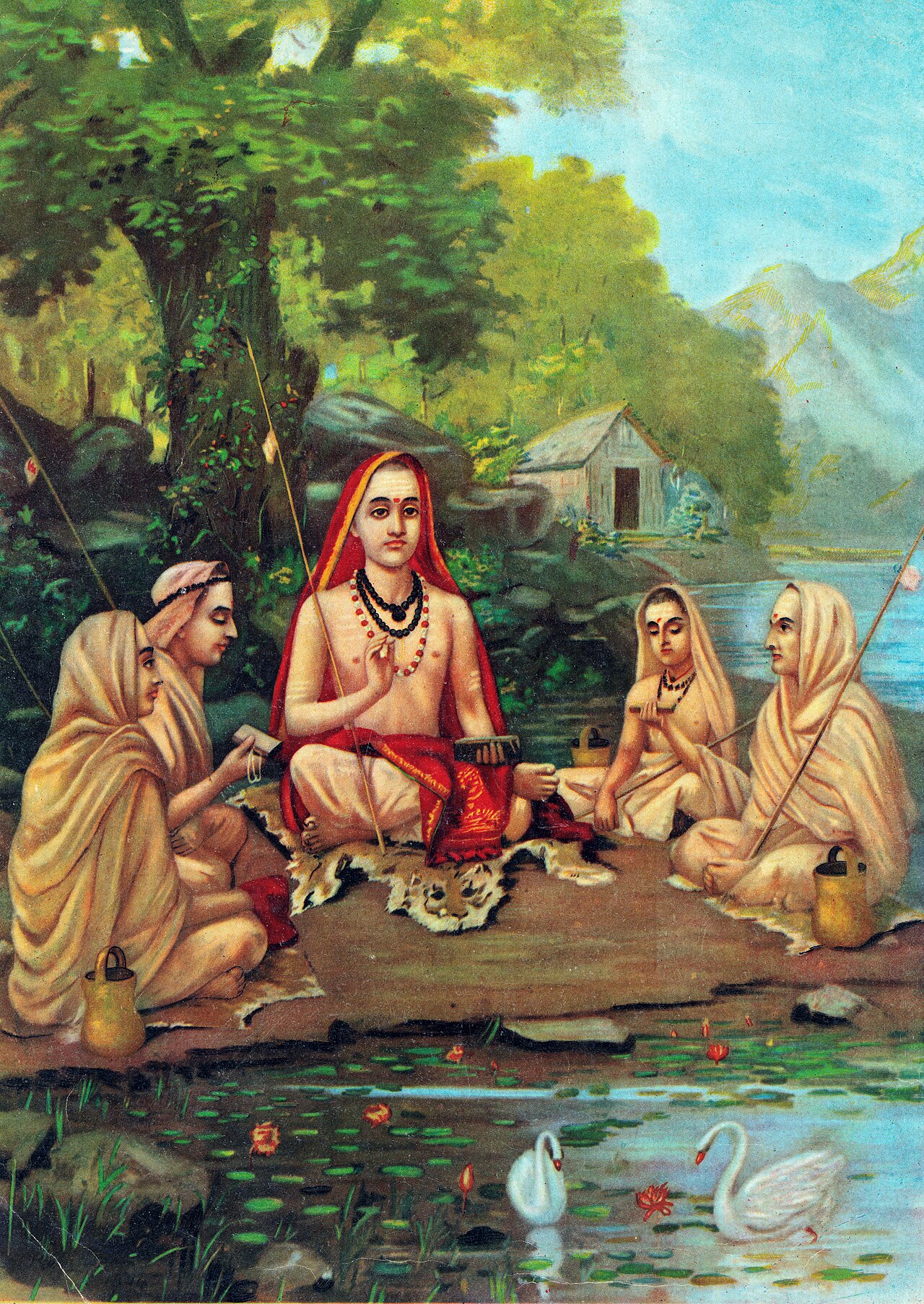
Adi Shankara, an 8th-century Indian philosopher and theologian, is widely regarded as one of the most influential figures in Hinduism. With a Vibe score of 85, his teachings on non-dualism (Advaita Vedanta) continue to shape Indian thought and spirituality. Born in 788 CE in Kalady, Kerala, Shankara's life was marked by intense spiritual seeking and debate, as he traveled across India engaging with various philosophical traditions. His commentaries on the Upanishads, the Bhagavad Gita, and the Brahma Sutras remain foundational texts in Hindu philosophy. Despite controversy surrounding his views on caste and social hierarchy, Shankara's legacy extends beyond India, influencing Western thinkers like Aldous Huxley and Christopher Isherwood. As a futurist, one might ask: how will Shankara's ideas on the nature of reality and consciousness continue to evolve and intersect with modern spirituality and science?
🏯 Introduction to Adi Shankara
Adi Shankara, also known as Adi Shankaracharya, was a renowned Indian Vedic scholar-monk, philosopher, and teacher of Advaita Vedanta. His life and teachings have had a profound impact on Hindu intellectual thought, and he is often revered as the most important Indian philosopher. However, reliable information on Shankara's actual life is scarce, and the historical influence of his works has been questioned by scholars such as Paul Deussen and Surendranath Dasgupta. Despite this, his legacy continues to inspire and influence Hindu philosophy and Indian spirituality.
📚 Life and Times of Adi Shankara
The historical Shankara was probably relatively unknown during his lifetime, and his true impact lies in the popular perception of him as a heroic religious leader who re-established traditional Hinduism. His teachings emphasized the importance of bhakti (devotion) and jnana (knowledge) in achieving spiritual liberation. Shankara's philosophy was deeply rooted in the Upanishads and the Bhagavad Gita, which are considered some of the most sacred texts in Hinduism. He was also influenced by the works of Badarayana and Gaudapada.
🕉️ Philosophy of Advaita Vedanta
The philosophy of Advaita Vedanta is central to Shankara's teachings, emphasizing the non-dual nature of reality and the ultimate reality of Brahman. This philosophy is characterized by the concept of maya (illusion) and the idea that the individual self (jiva) is ultimately identical with the universal self (atman). Shankara's interpretation of Advaita Vedanta has been influential in shaping Hindu thought and has been the subject of much debate and discussion among scholars such as Ramanuja and Madhva.
📖 Works and Writings of Adi Shankara
Adi Shankara's works and writings include commentaries on the Upanishads, the Bhagavad Gita, and the Brahma Sutras. His most famous work is the Brahma Sutra Bhashya, which is a commentary on the Brahma Sutras. Shankara's writings are known for their clarity and depth, and have been widely studied and revered in India and beyond. His ideas have also been influential in the development of yoga and tantra.
👥 Influence on Hindu Intellectual Thought
The influence of Adi Shankara's works on Hindu intellectual thought has been significant, and his ideas continue to shape Hindu philosophy and spirituality. However, the historical influence of his works has been questioned by some scholars, who argue that his impact has been exaggerated. Despite this, Shankara's legacy continues to inspire and influence Hindu thought, and his ideas remain an important part of Hindu intellectual discourse. His influence can be seen in the works of later philosophers such as Vivekananda and Aurobindo.
🤔 Historical Significance and Controversies
The historical significance and controversies surrounding Adi Shankara's life and teachings are complex and multifaceted. While he is often revered as a heroic religious leader, some scholars have questioned the accuracy of the traditional accounts of his life. Additionally, Shankara's philosophy has been the subject of much debate and discussion, with some critics arguing that his ideas are too abstract and detached from everyday reality. Despite these controversies, Shankara's legacy continues to inspire and influence Hindu thought, and his ideas remain an important part of Hindu intellectual discourse. The Vedanta Society has played a significant role in promoting his ideas and legacy.
📈 Popular Perception and Legacy
The popular perception of Adi Shankara as a heroic religious leader has been influential in shaping Hindu thought and culture. His legacy continues to inspire and influence Hindu philosophy and spirituality, and his ideas remain an important part of Hindu intellectual discourse. Shankara's emphasis on the importance of bhakti and jnana in achieving spiritual liberation has been particularly influential, and his ideas have been widely studied and revered in India and beyond. The Ramakrishna Mission has also been instrumental in promoting his ideas and legacy.
👑 Adi Shankara as a Heroic Religious Leader
As a heroic religious leader, Adi Shankara's impact on Hinduism has been profound. His teachings emphasized the importance of dharma (duty) and moksha (liberation) in achieving spiritual fulfillment. Shankara's philosophy was deeply rooted in the Upanishads and the Bhagavad Gita, which are considered some of the most sacred texts in Hinduism. His ideas have also been influential in the development of Hindu nationalism and the Hindutva movement.
🌎 Impact on Indian Philosophy and Spirituality
The impact of Adi Shankara's ideas on Indian philosophy and spirituality has been significant. His emphasis on the importance of Advaita (non-duality) and the ultimate reality of Brahman has been influential in shaping Hindu thought and culture. Shankara's ideas have also been influential in the development of Buddhism and Jainism, and his legacy continues to inspire and influence Indian philosophy and spirituality. The Indian philosophy of Nyaya and Vaisheshika has also been influenced by his ideas.
📚 Critique and Debate on Adi Shankara's Ideas
The critique and debate on Adi Shankara's ideas have been ongoing, with some scholars arguing that his philosophy is too abstract and detached from everyday reality. Others have criticized his ideas as being too focused on the individual and neglecting the importance of social and political action. Despite these criticisms, Shankara's legacy continues to inspire and influence Hindu thought, and his ideas remain an important part of Hindu intellectual discourse. The critique of Advaita has been led by scholars such as Bhimrao Ambedkar and Periyar.
👫 Relationship with Other Hindu Philosophers
Adi Shankara's relationship with other Hindu philosophers has been the subject of much debate and discussion. While he is often revered as a heroic religious leader, some scholars have argued that his ideas are too similar to those of other philosophers, such as Ramanuja and Madhva. Despite these criticisms, Shankara's legacy continues to inspire and influence Hindu thought, and his ideas remain an important part of Hindu intellectual discourse. The Vedanta tradition has been influenced by his ideas, and his relationship with other Vedantins has been the subject of much study and debate.
🔮 Conclusion and Future Directions
In conclusion, Adi Shankara's legacy continues to inspire and influence Hindu thought and culture. His ideas remain an important part of Hindu intellectual discourse, and his emphasis on the importance of bhakti and jnana in achieving spiritual liberation has been particularly influential. As we look to the future, it is clear that Shankara's ideas will continue to shape Hindu philosophy and spirituality, and his legacy will remain an important part of Indian intellectual heritage. The future of Hinduism will be shaped by his ideas, and his influence will be felt for generations to come.
Key Facts
- Year
- 788
- Origin
- Kalady, Kerala, India
- Category
- Philosophy and Spirituality
- Type
- Historical Figure
Frequently Asked Questions
Who was Adi Shankara?
Adi Shankara was a renowned Indian Vedic scholar-monk, philosopher, and teacher of Advaita Vedanta. He is often revered as the most important Indian philosopher and his legacy continues to inspire and influence Hindu thought and culture. His ideas have been influential in shaping Hindu philosophy and spirituality, and his emphasis on the importance of bhakti and jnana in achieving spiritual liberation has been particularly influential. Shankara's philosophy was deeply rooted in the Upanishads and the Bhagavad Gita, which are considered some of the most sacred texts in Hinduism. He was also influenced by the works of Badarayana and Gaudapada.
What is Advaita Vedanta?
Advaita Vedanta is a school of Hindu philosophy that emphasizes the non-dual nature of reality and the ultimate reality of Brahman. This philosophy is characterized by the concept of maya (illusion) and the idea that the individual self (jiva) is ultimately identical with the universal self (atman). Adi Shankara's interpretation of Advaita Vedanta has been influential in shaping Hindu thought and culture, and his ideas remain an important part of Hindu intellectual discourse. The concept of Advaita has been influential in the development of yoga and tantra, and has been the subject of much debate and discussion among scholars such as Ramanuja and Madhva.
What were Adi Shankara's most famous works?
Adi Shankara's most famous works include commentaries on the Upanishads, the Bhagavad Gita, and the Brahma Sutras. His most famous work is the Brahma Sutra Bhashya, which is a commentary on the Brahma Sutras. Shankara's writings are known for their clarity and depth, and have been widely studied and revered in India and beyond. His ideas have also been influential in the development of yoga and tantra, and have been the subject of much debate and discussion among scholars such as Vivekananda and Aurobindo.
What is the historical significance of Adi Shankara?
The historical significance of Adi Shankara is complex and multifaceted. While he is often revered as a heroic religious leader, some scholars have questioned the accuracy of the traditional accounts of his life. Despite this, Shankara's legacy continues to inspire and influence Hindu thought and culture, and his ideas remain an important part of Hindu intellectual discourse. His emphasis on the importance of bhakti and jnana in achieving spiritual liberation has been particularly influential, and his ideas have been widely studied and revered in India and beyond. The Vedanta Society has played a significant role in promoting his ideas and legacy.
How has Adi Shankara's legacy been received in modern times?
Adi Shankara's legacy has been received in modern times with a mix of reverence and criticism. While he is often revered as a heroic religious leader, some scholars have argued that his ideas are too abstract and detached from everyday reality. Others have criticized his ideas as being too focused on the individual and neglecting the importance of social and political action. Despite these criticisms, Shankara's legacy continues to inspire and influence Hindu thought and culture, and his ideas remain an important part of Hindu intellectual discourse. The Ramakrishna Mission has also been instrumental in promoting his ideas and legacy.
What is the relationship between Adi Shankara and other Hindu philosophers?
Adi Shankara's relationship with other Hindu philosophers has been the subject of much debate and discussion. While he is often revered as a heroic religious leader, some scholars have argued that his ideas are too similar to those of other philosophers, such as Ramanuja and Madhva. Despite these criticisms, Shankara's legacy continues to inspire and influence Hindu thought, and his ideas remain an important part of Hindu intellectual discourse. The Vedanta tradition has been influenced by his ideas, and his relationship with other Vedantins has been the subject of much study and debate.
How has Adi Shankara's philosophy influenced Indian philosophy and spirituality?
Adi Shankara's philosophy has had a significant impact on Indian philosophy and spirituality. His emphasis on the importance of Advaita (non-duality) and the ultimate reality of Brahman has been influential in shaping Hindu thought and culture. Shankara's ideas have also been influential in the development of Buddhism and Jainism, and his legacy continues to inspire and influence Indian philosophy and spirituality. The Indian philosophy of Nyaya and Vaisheshika has also been influenced by his ideas.