
Contents
- 🎵 Origins & History
- ⚙️ Key Concepts and Ideas
- 📊 Historical Significance and Impact
- 👥 Key Figures and Influences
- 🌍 Cultural and Philosophical Context
- ⚡ Current Relevance and Applications
- 🤔 Criticisms and Controversies
- 🔮 Future Directions and Prospects
- 💡 Practical Applications and Inspirations
- 📚 Related Topics and Further Reading
- Frequently Asked Questions
- References
- Related Topics
Overview
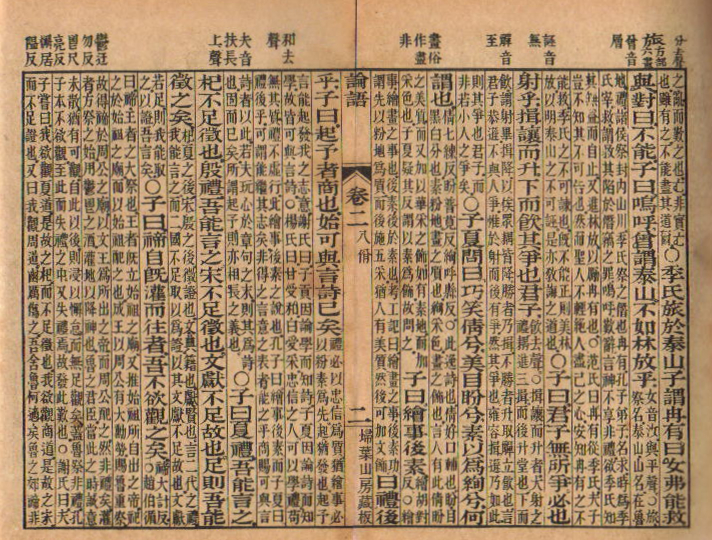
The Analects, also known as the Sayings of Confucius, is an ancient Chinese philosophical text composed of sayings and ideas attributed to Confucius and his contemporaries. With a history spanning over two millennia, the Analects has been a central text of Confucianism, influencing Chinese philosophy, politics, and culture. The text is believed to have been compiled by Confucius' followers during the Warring States period (475-221 BC) and achieved its final form during the mid-Han dynasty (206 BC - 220 AD). As one of the 'Four Books', the Analects has been widely read and studied in China, with its ideas continuing to shape modern thought. With a rich history and profound insights, the Analects remains a foundational work of Eastern philosophy, offering guidance on ethics, morality, and governance. The text's significance extends beyond China, with its principles and values resonating with people around the world. As a testament to its enduring influence, the Analects has been translated into numerous languages and continues to inspire new generations of scholars, leaders, and individuals seeking wisdom.
🎵 Origins & History
The Analects, a foundational text of Confucianism, has a rich and complex history that spans over two millennia. The text is believed to have been compiled by Confucius' followers during the Warring States period (475-221 BC), with the earliest known versions dating back to the Han Dynasty (206 BC - 220 AD). As a collection of sayings and ideas attributed to Confucius and his contemporaries, the Analects offers insights into the life and teachings of one of China's most influential philosophers. The text's significance extends beyond China, with its principles and values resonating with people around the world, including Lao Tzu and Mencius.
⚙️ Key Concepts and Ideas
At its core, the Analects is a text that explores the nature of human relationships, morality, and governance. The text is composed of 20 chapters, each addressing a specific aspect of Confucian thought, from the importance of ren (benevolence) and yi (righteousness) to the role of li (etiquette) and zhong (loyalty) in maintaining social harmony. As a central text of Confucianism, the Analects has had a profound impact on Chinese philosophy, politics, and culture, influencing thinkers such as Zhu Xi and Wang Yangming.
📊 Historical Significance and Impact
The Analects has been widely read and studied in China for centuries, with its ideas continuing to shape modern thought. The text's significance extends beyond China, with its principles and values resonating with people around the world. As a testament to its enduring influence, the Analects has been translated into numerous languages, including English, French, and Spanish, and continues to inspire new generations of scholars, leaders, and individuals seeking wisdom. The text's impact can be seen in the work of John Rawls and Amartya Sen, among others.
👥 Key Figures and Influences
The Analects has been influenced by a range of key figures, from Confucius himself to later thinkers such as Mencius and Xunzi. The text's ideas have also been shaped by the cultural and philosophical context of ancient China, including the Daoist and Buddhist traditions. As a central text of Confucianism, the Analects has played a significant role in shaping Chinese thought and culture, influencing everything from education and politics to art and literature. The text's influence can be seen in the work of Duke of Zhou and Zheng Xuan, among others.
🌍 Cultural and Philosophical Context
The Analects has had a profound impact on Chinese culture and philosophy, shaping everything from education and politics to art and literature. The text's ideas have also influenced other East Asian cultures, including Japan and Korea, where Confucianism has played a significant role in shaping thought and culture. As a central text of Confucianism, the Analects continues to be studied and revered today, with its principles and values remaining relevant in modern society. The text's influence can be seen in the work of Toyotomi Hideyoshi and Lee Kuan Yew, among others.
⚡ Current Relevance and Applications
Despite its enduring influence, the Analects has also been subject to criticisms and controversies. Some have argued that the text's emphasis on social hierarchy and authority can be seen as conservative or even reactionary, while others have criticized its lack of attention to issues such as gender and social justice. However, the Analects remains a foundational text of Confucianism, offering insights into the nature of human relationships, morality, and governance. The text's relevance can be seen in the work of Martin Luther King Jr. and Nelson Mandela, among others.
🤔 Criticisms and Controversies
As a text that continues to inspire new generations of scholars, leaders, and individuals seeking wisdom, the Analects remains a vital part of modern thought and culture. The text's principles and values, such as the importance of ren (benevolence) and yi (righteousness), continue to shape modern society, influencing everything from education and politics to art and literature. As a central text of Confucianism, the Analects offers a unique perspective on the nature of human relationships, morality, and governance, one that remains relevant in today's globalized world. The text's influence can be seen in the work of Barack Obama and Angela Merkel, among others.
🔮 Future Directions and Prospects
The Analects has a range of practical applications, from education and politics to business and personal development. The text's emphasis on the importance of ren (benevolence) and yi (righteousness) can be seen in the work of Bill Gates and Warren Buffett, among others. As a central text of Confucianism, the Analects offers insights into the nature of human relationships, morality, and governance, making it a vital resource for anyone seeking to understand the complexities of modern society.
💡 Practical Applications and Inspirations
The Analects is part of a broader tradition of Confucian thought, one that includes other key texts such as the Mencius and the Xunzi. The text's ideas have also been influenced by other philosophical traditions, including Daoism and Buddhism. As a central text of Confucianism, the Analects remains a foundational work of Eastern philosophy, offering insights into the nature of human relationships, morality, and governance. The text's influence can be seen in the work of Plato and Aristotle, among others.
Key Facts
- Year
- 0480
- Origin
- China
- Category
- philosophy
- Type
- topic
Frequently Asked Questions
What is the Analects?
The Analects is an ancient Chinese philosophical text composed of sayings and ideas attributed to Confucius and his contemporaries. The text is believed to have been compiled by Confucius' followers during the Warring States period (475-221 BC) and achieved its final form during the mid-Han dynasty (206 BC - 220 AD).
What are the key concepts in the Analects?
The Analects explores the nature of human relationships, morality, and governance, with key concepts including Ren (benevolence), Yi (righteousness), Li (etiquette), and Zhong (loyalty).
How has the Analects influenced Chinese culture and philosophy?
The Analects has had a profound impact on Chinese culture and philosophy, shaping everything from education and politics to art and literature. The text's ideas have also influenced other East Asian cultures, including Japan and Korea.
What are the criticisms and controversies surrounding the Analects?
Some have argued that the text's emphasis on social hierarchy and authority can be seen as conservative or even reactionary, while others have criticized its lack of attention to issues such as gender and social justice.
How is the Analects relevant in modern society?
The Analects remains a vital part of modern thought and culture, with its principles and values continuing to shape modern society. The text's emphasis on Ren (benevolence) and Yi (righteousness) can be seen in the work of modern leaders and thinkers, such as Barack Obama and Angela Merkel.
What are the practical applications of the Analects?
The Analects has a range of practical applications, from education and politics to business and personal development. The text's emphasis on Ren (benevolence) and Yi (righteousness) can be seen in the work of modern leaders and thinkers, such as Bill Gates and Warren Buffett.
How does the Analects relate to other philosophical traditions?
The Analects is part of a broader tradition of Confucian thought, one that includes other key texts such as the Mencius and the Xunzi. The text's ideas have also been influenced by other philosophical traditions, including Daoism and Buddhism.
What is the significance of the Analects in modern times?
The Analects remains a foundational work of Eastern philosophy, offering insights into the nature of human relationships, morality, and governance. The text's principles and values continue to shape modern society, influencing everything from education and politics to art and literature.