Groundbreaking Anthology Explores Intersection of Literature and Confucian Thought
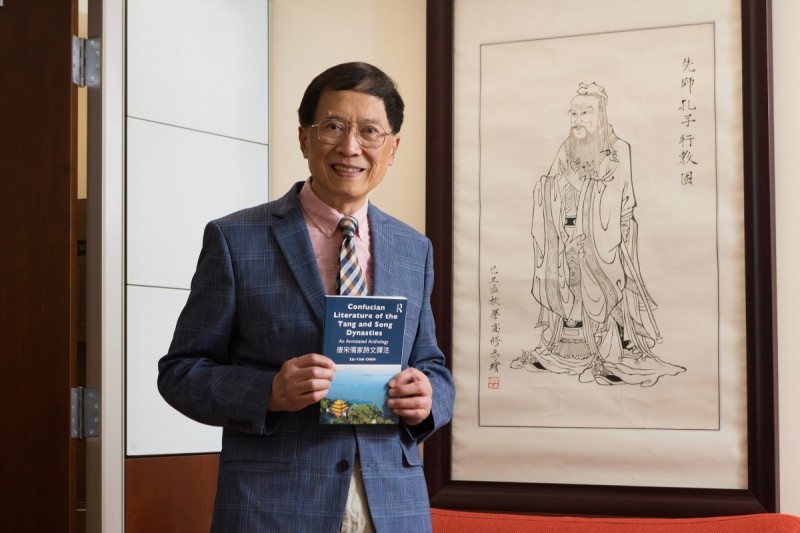
Professor Zu-yan Chen's eighth book, **Confucian Literature of the Tang and Song Dynasties: An Annotated Anthology**, presents 28 literary works by 21 authors f
Summary
Professor Zu-yan Chen's eighth book, **Confucian Literature of the Tang and Song Dynasties: An Annotated Anthology**, presents 28 literary works by 21 authors from the Tang and Song Dynasties, showcasing the deep connections between literature and Confucian philosophy. The annotated, English translations are arranged side-by-side with the original texts, providing a unique insight into the intersection of literature and Confucian thought. This anthology is a significant contribution to the field of Asian and Asian American Studies, highlighting the importance of **Confucianism** in Chinese literature. The book explores the works of famous poets such as **Du Fu**, who lived during a period of significant social and cultural change. The anthology also delves into the concept of **Neo-Confucianism**, which emerged during the Song dynasty. For more information on Confucianism, visit [[confucianism|Confucianism]]. The significance of this anthology lies in its ability to provide a comprehensive understanding of the literary works of the Tang and Song Dynasties, which span the years **618 to 1279**. The book includes 12 poems and 16 prose pieces, all of which are considered masterpieces of Chinese literature. The works selected by Chen are not only beautiful pieces of writing but also explore **Confucian ideas**, which structured their authors' lives and thought. To learn more about the historical context of the Tang and Song Dynasties, visit [[tang-dynasty|Tang Dynasty]] and [[song-dynasty|Song Dynasty]]. The anthology is a valuable resource for scholars and researchers interested in Asian and Asian American Studies, as it provides a unique perspective on the intersection of literature and Confucian thought. The book is also relevant to those interested in **Chinese literature**, **Confucian philosophy**, and **cultural history**. For more information on these topics, visit [[chinese-literature|Chinese Literature]], [[confucian-philosophy|Confucian Philosophy]], and [[cultural-history|Cultural History]].
Key Takeaways
- The anthology presents 28 literary works by 21 authors from the Tang and Song Dynasties
- The anthology includes 12 poems and 16 prose pieces
- The book provides a unique insight into the intersection of literature and Confucian thought
- The anthology is a significant contribution to the field of Asian and Asian American Studies
- The book's impact will depend on how it is received by scholars and researchers
Balanced Perspective
The anthology is a valuable resource for scholars and researchers interested in Asian and Asian American Studies. The book provides a comprehensive understanding of the literary works of the Tang and Song Dynasties, which span the years **618 to 1279**. The anthology includes 12 poems and 16 prose pieces, all of which are considered masterpieces of Chinese literature. The works selected by Chen are not only beautiful pieces of writing but also explore **Confucian ideas**, which structured their authors' lives and thought. The book is relevant to those interested in **Chinese literature**, **Confucian philosophy**, and **cultural history**. For more information on these topics, visit [[chinese-literature|Chinese Literature]], [[confucian-philosophy|Confucian Philosophy]], and [[cultural-history|Cultural History]]. The anthology is a significant contribution to the field of Asian and Asian American Studies, but its impact will depend on how it is received by scholars and researchers. To learn more about the reception of the anthology, visit [[reception-of-confucian-literature|Reception of Confucian Literature]].
Optimistic View
This anthology is a groundbreaking work that showcases the rich literary heritage of the Tang and Song Dynasties. By presenting Confucian literature as a multidisciplinary genre, Chen's book provides a unique insight into the intersection of literature and Confucian thought. The anthology is a significant contribution to the field of Asian and Asian American Studies, highlighting the importance of **Confucianism** in Chinese literature. The book is a must-read for scholars and researchers interested in **Chinese literature**, **Confucian philosophy**, and **cultural history**. For more information on these topics, visit [[chinese-literature|Chinese Literature]], [[confucian-philosophy|Confucian Philosophy]], and [[cultural-history|Cultural History]]. The anthology has the potential to inspire a new generation of scholars and researchers to explore the rich cultural heritage of China. To learn more about the impact of Confucianism on Chinese society, visit [[confucianism-in-china|Confucianism in China]].
Critical View
The anthology may not be as groundbreaking as it seems. While it provides a unique insight into the intersection of literature and Confucian thought, it may not be as comprehensive as other works on the subject. The book's focus on the Tang and Song Dynasties may limit its appeal to scholars and researchers interested in other periods of Chinese history. Additionally, the anthology's emphasis on Confucian literature may overlook the contributions of other philosophical traditions to Chinese literature. The book's impact will depend on how it is received by scholars and researchers, and it may not be as significant as some might claim. To learn more about the limitations of the anthology, visit [[limitations-of-confucian-literature|Limitations of Confucian Literature]]. The anthology may also be criticized for its lack of diversity in terms of the authors and works selected. For more information on the diversity of Chinese literature, visit [[diversity-of-chinese-literature|Diversity of Chinese Literature]].
Source
Originally reported by Binghamton University