Lost Qi Version of Confucian Analects Unveiled After 1,800 Years
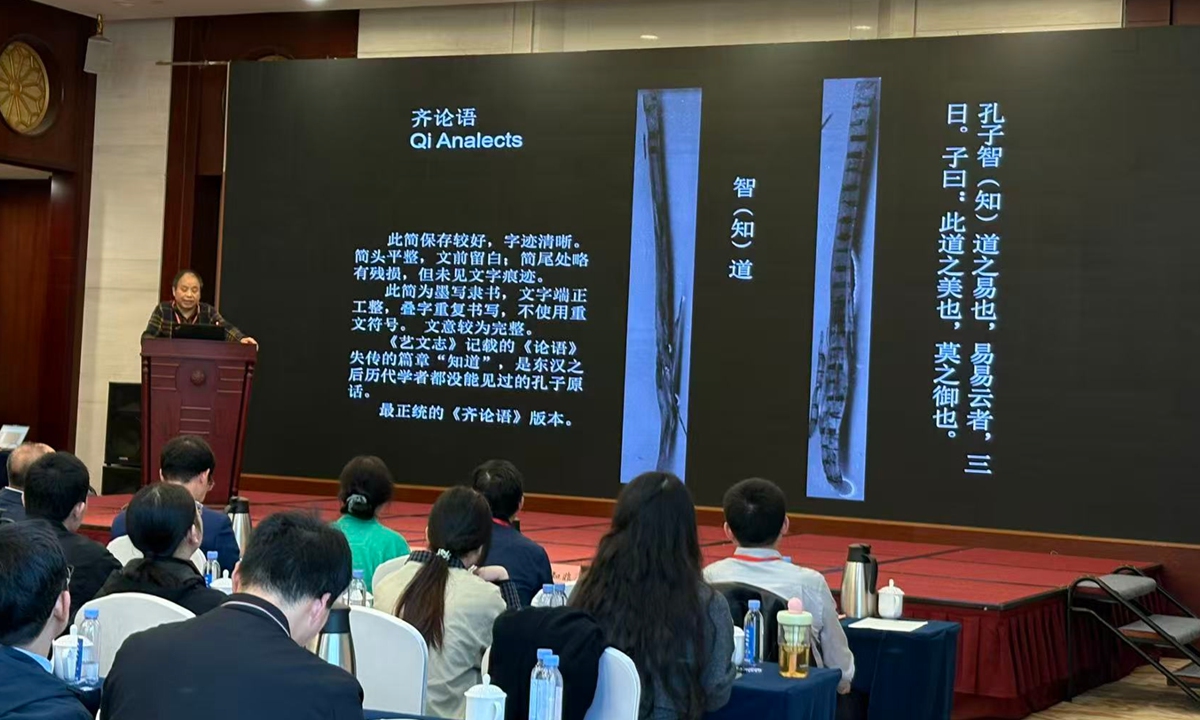
The **Qi version** of the **Confucian Analects**, a significant chapter titled **Zhi Dao** (Knowing the Way), has been rediscovered after being lost for **1,800
Summary
The **Qi version** of the **Confucian Analects**, a significant chapter titled **Zhi Dao** (Knowing the Way), has been rediscovered after being lost for **1,800 years**. This breakthrough was announced by archaeologists in **North China's Shanxi Province**, who unveiled the discovery at the **10th anniversary conference** of the **Haihun bamboo slips restoration**. The find is expected to provide new insights into **Confucianism** and its evolution during the **Han Dynasty (206BC-AD25)**. The **Haihun bamboo slips** are a collection of ancient texts that have been the subject of extensive restoration efforts. This discovery is a significant milestone in the study of **ancient Chinese history** and **philosophy**, with potential implications for our understanding of **Confucian thought** and its influence on **East Asian cultures**. The **Global Times** reports that this find is a major achievement for Chinese archaeology, highlighting the importance of **cultural preservation** and **historical research**.
Key Takeaways
- The Qi version of the Confucian Analects was lost for 1,800 years
- The discovery was announced by archaeologists in North China's Shanxi Province
- The find is a significant chapter titled Zhi Dao (Knowing the Way)
- The discovery provides new insights into ancient Chinese history and philosophy
- The significance of the discovery is subject to interpretation and speculation
Balanced Perspective
The discovery of the **Qi version of the Confucian Analects** is a significant archaeological find that provides new insights into the **Han Dynasty** and the evolution of **Confucianism**. While the discovery is certainly important, its significance should be understood within the context of **ancient Chinese history** and **philosophy**. The **Haihun bamboo slips** are a valuable resource for scholars, and this latest discovery is a notable addition to the field. However, it is essential to approach this find with a nuanced understanding of the **historical context** and the **methodologies** used in the restoration process. As **historians** and **archaeologists** continue to study the **Haihun bamboo slips**, it is crucial to consider the potential **limitations** and **biases** of the discovery, as well as its potential **implications** for our understanding of **Confucian thought**.
Optimistic View
The rediscovery of the **Qi version of the Confucian Analects** is a groundbreaking moment for **Sinology** and **Asian studies**, offering a unique window into the development of **Confucian thought** during the **Han Dynasty**. This find has the potential to reshape our understanding of **Confucianism** and its role in shaping **East Asian cultures**. As noted by **Chinese archaeologists**, this discovery is a testament to the significance of **cultural preservation** and **historical research**. The **Haihun bamboo slips** restoration project has been instrumental in uncovering new insights into **ancient Chinese history**, and this latest discovery is a major achievement for the field. For instance, the **Zhi Dao** chapter may provide new perspectives on **Confucian ethics** and **moral philosophy**, which could have significant implications for **contemporary Chinese thought**.
Critical View
The rediscovery of the **Qi version of the Confucian Analects** may be overhyped, and its significance should be viewed with a critical eye. While the find is certainly interesting, its impact on our understanding of **Confucianism** and **ancient Chinese history** may be limited. The **Haihun bamboo slips** are a valuable resource, but the restoration process is complex and prone to **interpretation** and **speculation**. Furthermore, the discovery may be subject to **nationalistic** or **ideological** interpretations, which could compromise its **academic integrity**. As **scholars** and **researchers**, it is essential to approach this find with a healthy dose of **skepticism** and to consider the potential **risks** and **challenges** associated with the discovery, including the potential for **misinterpretation** or **misuse** of the text.
Source
Originally reported by Global Times